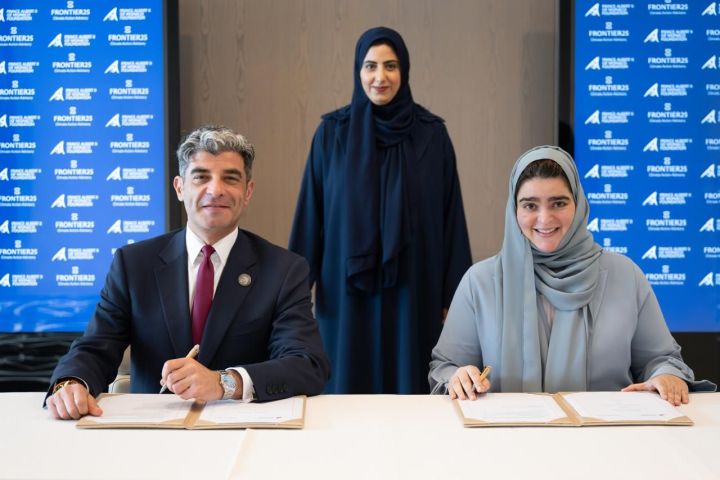
Frontier25 has announced the start of a new project in partnership with the Global Methane Hub to address knowledge and policy gaps related to methane emissions, including assessing the impact of methane across the energy and waste sectors, among others, and examining its implications for air quality and public health.
Methane is a significant greenhouse gas and air pollutant responsible for more than 45% of recent global warming and over 80 times more powerful than CO₂ over a 20-year period. More than a third of the world’s methane pollution comes from fossil fuels. According to the United Nations Environment Programme, rapid action can avoid nearly 0.3°C of global warming by the 2040s and deliver clear benefits for air quality and public health, potentially preventing up to a million premature deaths annually from ozone pollution.
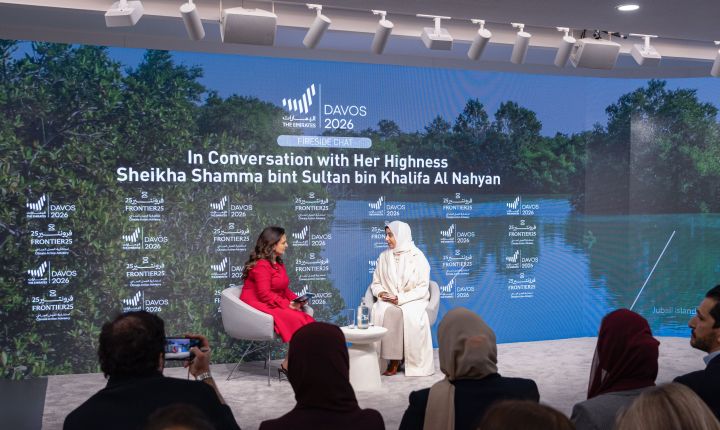
Her Highness Sheikha Shamma bint Sultan bin Khalifa, President & CEO of Frontier25 and The Climate Tribe, said, “Integrating methane reduction into decarbonisation strategies is essential to meet our climate goals, with methane being one of the biggest destructive elements on our delicate environmental ecosystems. While significant positive steps have already been taken in the UAE, this partnership will support ongoing efforts by increasing our understanding of how we can work with the wider region to reduce methane emissions and the positive outcomes this could have on human lives.”
The UAE, Saudi Arabia, and Qatar have lower methane intensities compared to regional peers but remain among the top 30 global flaring sources. However, the UAE has emerged as a regional leader by joining the Global Methane Pledge, launching the Oil and Gas Decarbonisation Charter (OGDC) at COP28, and serving as the World Bank’s GFMR Trust Fund’s largest contributor.
Olivia Azadegan, Senior Manager of the Energy Program at the Global Methane Hub, said, “The climate crisis demands an immediate reduction in super-pollutants, and curbing methane emissions is the fastest way to drive down global temperatures. We are pleased to progress work on methane specifically focusing on improving public health and air quality in the Middle East with Frontier25. We believe on-the-ground efforts are critical to building stronger, healthier, and more resilient communities worldwide.”
With most human-driven methane derived from the energy, agriculture, and waste sectors, some existing solutions to methane reduction, according to Frontier25, include operational changes, leak detection and repair (LDAR) initiatives, and measurement, reporting, and verification (MRV) technologies. Methane mitigation can provide economic co-benefits, such as stronger energy and food security, healthier communities, and increased crop yields due to less ozone-related damage.
The collaborative project hosted a Frontier25-led Policy Hack on November 20 in Abu Dhabi, which will be followed by a series of targeted knowledge sharing sessions across the UAE and the broader GCC. Full findings, including policy recommendations, impacts, and ongoing goals, will be published by Q2 2026.