FRONTIER25 FRONTIER25
Contact us

Policy Hack on Waste to Zero: The Critical Imperative to Decarbonise the Waste Industry

10.04.2025
Report

This Report shares insights from the inaugural Policy Hack held under the Waste to Zero Initiative, a joint effort led by UICCA and Tadweer Group to drive decarbonisation across the global waste sector. Centered around six thematic workstreams, the event gathered voices from across government, industry, and civil society to tackle some of the most pressing barriers to waste sector transformation, from financing and legislation to behavioural change and circular innovation.


The Policy Hack provided a platform for open dialogue and collective problem-solving, yielding actionable recommendations such as focusing on minimising food waste, introducing robust policy frameworks on recycling and circularity, and building unified waste data infrastructure for the UAE. These proposals and others contained in the Policy Hack Report serve as an important step for advancing toward a circular economy and decarbonised waste system in the UAE.

Download Report

Download

Related Research

Recommendations for entities throughout Abu Dhabi’s ecosystem to ensure safe, responsible, and environmentally conscious public celebrations.

Discover more

Following an in-depth review, six policy recommendations span public health, measurement, mitigation, incentives, national targets, and cooperation.

Discover more

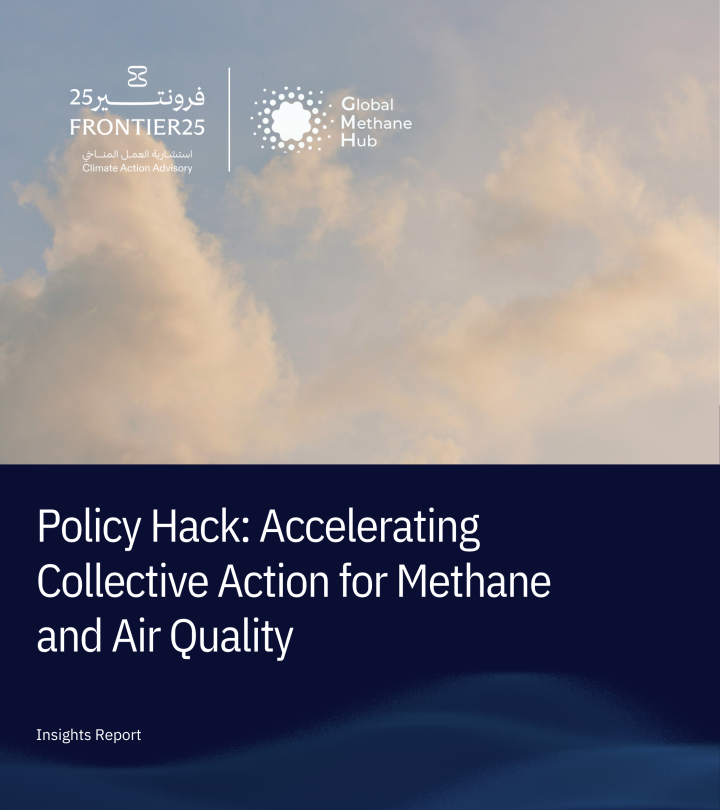
Detailed outcomes and recommendations following a Frontier25 policy hack on methane and air quality, held in partnership with the Global Methane Hub.

Discover more

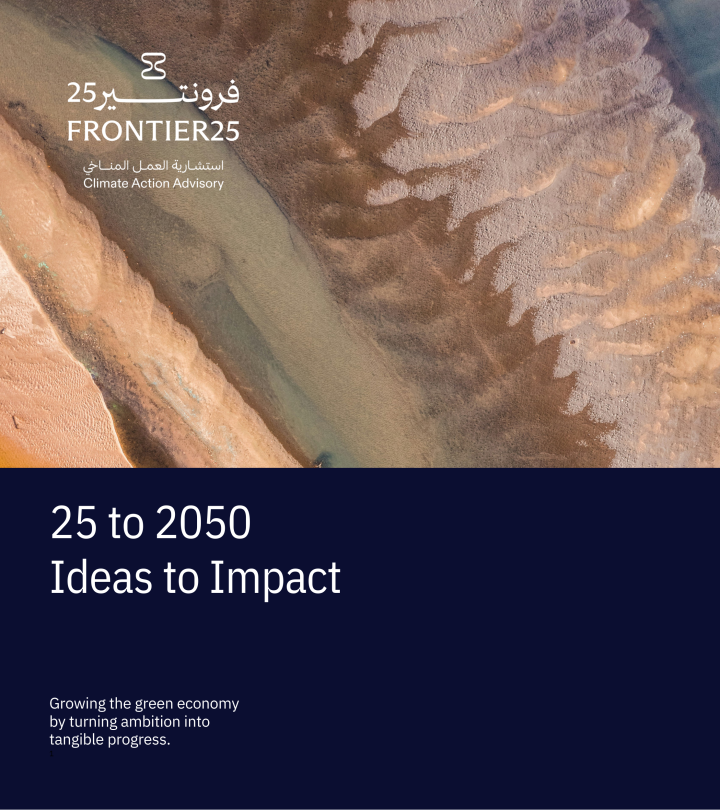
Insights from our 25 to 2050: Ideas to Impact forum point to a common goal: meaningful climate action to drive innovation and engage communities.

Discover more

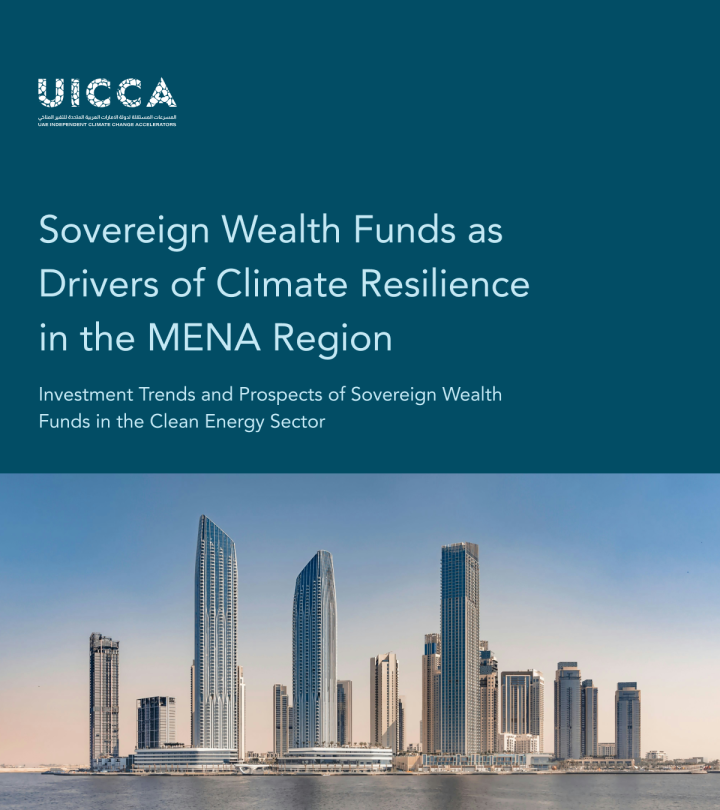
This report explores the role of Sovereign Wealth Funds (SWFs) in advancing climate resilience across the Middle East and North Africa (MENA). Developed through data analysis and a closed-door roundtable, it highlights how regional SWFs are shifting portfolios towards clean energy, with investments reaching nearly $2.5 billion in 2022. Led by ADIA, Mubadala, PIF, and QIA, these funds are diversifying into renewables, hydrogen, and storage while signalling a broader move toward emerging climate technologies. Stakeholders emphasised both opportunities and challenges, from gaps in adaptation finance for sectors like water and biodiversity to the need for innovative blended finance models that can de-risk investments and crowd in private capital. The report sets out a forward-looking agenda for SWFs to expand beyond mitigation into resilience and adaptation, aligning fiduciary responsibility with long-term regional climate security and positioning the MENA region as a leader in climate finance.

Discover more